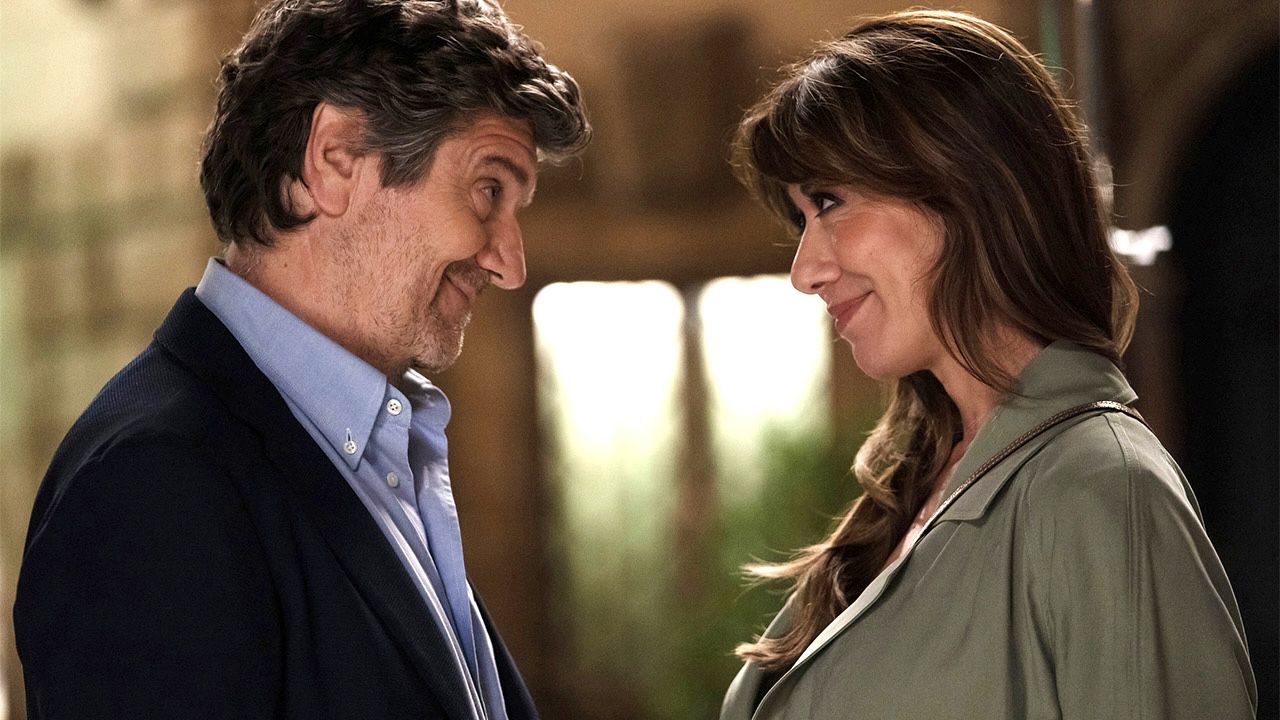
Film Pigrizia Italiana: Celebrating Leisure in Italian Cinema
In a world increasingly driven by productivity, constant connection, and the relentless pursuit of goals, the Italian approach to life often stands out. It's a philosophy encapsulated by two seemingly contradictory terms: *dolce far niente* (the sweetness of doing nothing) and *pigrizia* (laziness). Yet, for Italians, these aren't vices but rather profoundly human and often philosophical states. This unique perspective, far from being a flaw, is a celebration of life itself, and it finds a rich and nuanced expression in *film pigrizia italiana* – Italian cinema that subtly, or overtly, champions the art of slowing down.
This article delves into how Italian films capture the essence of this "philosophical laziness," exploring its historical roots, its cultural manifestations, and its transformative power on screen. It’s a journey that challenges our modern understanding of time, work, and happiness, inviting us to see the profound beauty in moments of serene idleness.
Unpacking "Dolce Far Niente": More Than Just Idleness
The phrase
dolce far niente has resonated through centuries, its origins tracing back to the classical era of Pliny the Younger and Emperor Tiberius. Imagine a Roman villa, a leisurely afternoon, and the gentle whisper of "
illud iucundum nihil agere" – that sweet not doing anything. This ancient sentiment isn't merely about boredom or a lack of things to do; it’s an active choice, an intentional embrace of quietude and sensory pleasure.
For Italians,
dolce far niente transcends simple relaxation; it is an art form. It's about reclaiming time as entirely one's own, shedding the weight of negative thoughts and modern-day stress. It's the gentle surrender to a moment, whether admiring a breathtaking landscape, contemplating a work of art, or savoring a delicious meal that awakens the senses. It’s about finding pure beauty in the everyday, unburdened by obligation.
Many outside of Italy first encountered this concept through films like "Eat Pray Love," where Julia Roberts' character, Elizabeth Gilbert, famously experiences the true meaning of
dolce far niente during her transformative journey through Italy. Her scenes of unhurried pasta consumption, gelato indulgence, and languid strolls through sun-drenched piazzas offered a global audience a tantalizing glimpse into this philosophy. While a simplified portrayal, it highlighted the profound impact of simply *being* rather than *doing*. It serves as a popular, if somewhat commercial, introduction to the deeper cultural wisdom embedded in
Dolce Far Niente: Italy's Ancient Art of Joyful Idleness, which Italian cinema often explores with greater subtlety and authenticity.
From the Pitch to the Screen: Pigrizia as Authentic Italian Character
The concept of *pigrizia* as a positive attribute is wonderfully illustrated not just in philosophy but in real-life Italian figures and their cinematic counterparts. Take Fernando "Nando" De Napoli, the legendary midfielder for Diego Maradona's Napoli. Known as "Rambo" for his fierce tenacity on the field, De Napoli also famously declared that "The best retirement is watching football from the sofa." This duality — intense dedication when required, coupled with a deep, humble appreciation for simple, domestic leisure — perfectly embodies the Italian approach to life. He wasn't a veteran of a Hollywood war, but rather a "veteran of staying with childhood friends," a tranquil desire for life's unadorned pleasures.
This authentic Italian character, often characterized by a romantic shyness bordering on *pigrizia*, finds its ultimate expression in the works of Massimo Troisi. The beloved Neapolitan actor and director, often seen in his films wearing pajamas, embodied a gentle, unhurried spirit. In his cult classic "Ricomincio da tre" (I Start from Three), Troisi's character, Gaetano, spends a memorable scene in his "rest clothes," pondering philosophical questions like the name of a future child. His characters often prioritize simple gatherings with friends over grand ambitions, reflecting a deep-seated value for human connection and unforced interactions.
Troisi's portrayal offers a powerful counter-narrative to the relentless drive of typical cinematic heroes. His characters find wisdom and charm in their perceived "laziness," suggesting that true richness of life lies not in external achievements but in the quiet moments, the shared laughter over coffee, and the freedom to simply exist. This is the heart of *film pigrizia italiana* – it champions a different kind of strength, one rooted in humility, introspection, and the unhurried rhythm of daily life.
The Philosophy of Pause: Leclercq's "Elogio della Pigrizia" and its Cinematic Echoes
The idea that idleness isn't just sweet but also profoundly productive is not new. Nearly a century ago, in 1936, the Belgian moralist and sociologist Jacques Leclercq delivered his "Elogio della pigrizia" (Praise of Laziness). Leclercq eloquently argued that "beauty does not unfold and is not recognized by running, by the tumult of crowds and the hustle of a hundred disordered things." He contended that "solitude, silence, rest are necessary for every birth; if sometimes a thought or a masterpiece springs forth in a flash, it is because it was preceded by a long incubation of idle wandering."
This powerful philosophy, advocating for the beauty of indolence and the sweetness of slowness as essential for thought, admiration, and a truly human life, resonates deeply within the fabric of *film pigrizia italiana*. Italian filmmakers, whether consciously or instinctively, translate Leclercq's wisdom into their cinematic language. They use slower pacing, longer takes, and lingering shots of landscapes or characters in contemplation to create space for reflection – both for the characters and the audience.
In many Italian films, moments of quiet reflection aren't merely narrative pauses; they are the crucible in which character development occurs, emotional truths are revealed, and deeper themes of existence, beauty, and human connection are explored. A character gazing out at the sea, a family sharing a silent meal, or a protagonist simply sitting in a piazza observing the world go by – these are not fillers but vital narrative beats. They represent the "long incubation of idle wandering" that precedes a moment of insight or a significant decision. This cinematic approach implicitly invites the viewer to slow down, to engage with the film not just through plot progression, but through atmosphere, emotion, and the profound art of observation. For more on this, explore
Elogio della Pigrizia: The Italian Philosophy of Rest and Creation.
The Visual Language of Leisure in Italian Film
How does *film pigrizia italiana* translate these philosophical concepts into a compelling visual experience? It's often in the details, the deliberate choices made by directors and cinematographers:
*
Pacing and Rhythm: Italian films frequently adopt a more deliberate, unhurried pace compared to Hollywood blockbusters. This allows scenes to breathe, giving audiences time to absorb the atmosphere, the characters' internal states, and the subtle nuances of interaction.
*
Long Takes and Serene Landscapes: Directors often employ long takes that allow the camera to linger, whether on a character's contemplative face or a picturesque Italian vista. These shots are not merely pretty backdrops; they are spaces for reflection, mirroring the internal world of *dolce far niente*.
*
Celebration of Sensory Pleasures: Food, drink, art, and natural beauty are frequently showcased, not just as plot devices, but as ends in themselves. Scenes of characters enjoying a leisurely meal or savoring a glass of wine are common, embodying the sensory richness of an unhurried life.
*
Characters in Contemplation: Many protagonists in Italian cinema are given moments of quiet introspection. They might be sitting, observing, or simply allowing their thoughts to wander. These instances humanize the characters, making them relatable in their search for meaning beyond constant activity.
These elements combine to create a cinematic experience that is both engaging and calming, offering a powerful antidote to the fast-paced demands of modern life. It's an invitation to lean back, observe, and appreciate the often-overlooked beauty in moments of stillness.
Conclusion
The phenomenon of *film pigrizia italiana* offers a rich tapestry of stories and characters that challenge the prevailing global ethos of relentless productivity. By celebrating *dolce far niente* and the deeper philosophy of *pigrizia*, Italian cinema provides a valuable cultural lens through which to view human existence. It reminds us that sometimes, the most profound insights, the most genuine connections, and the truest forms of happiness emerge not from constant striving, but from the deliberate act of slowing down, observing, and allowing ourselves the luxury of simply being. In a world clamoring for more, Italian films encourage us to appreciate the beauty of less, proving that sometimes, doing nothing is truly the most revolutionary act of all.