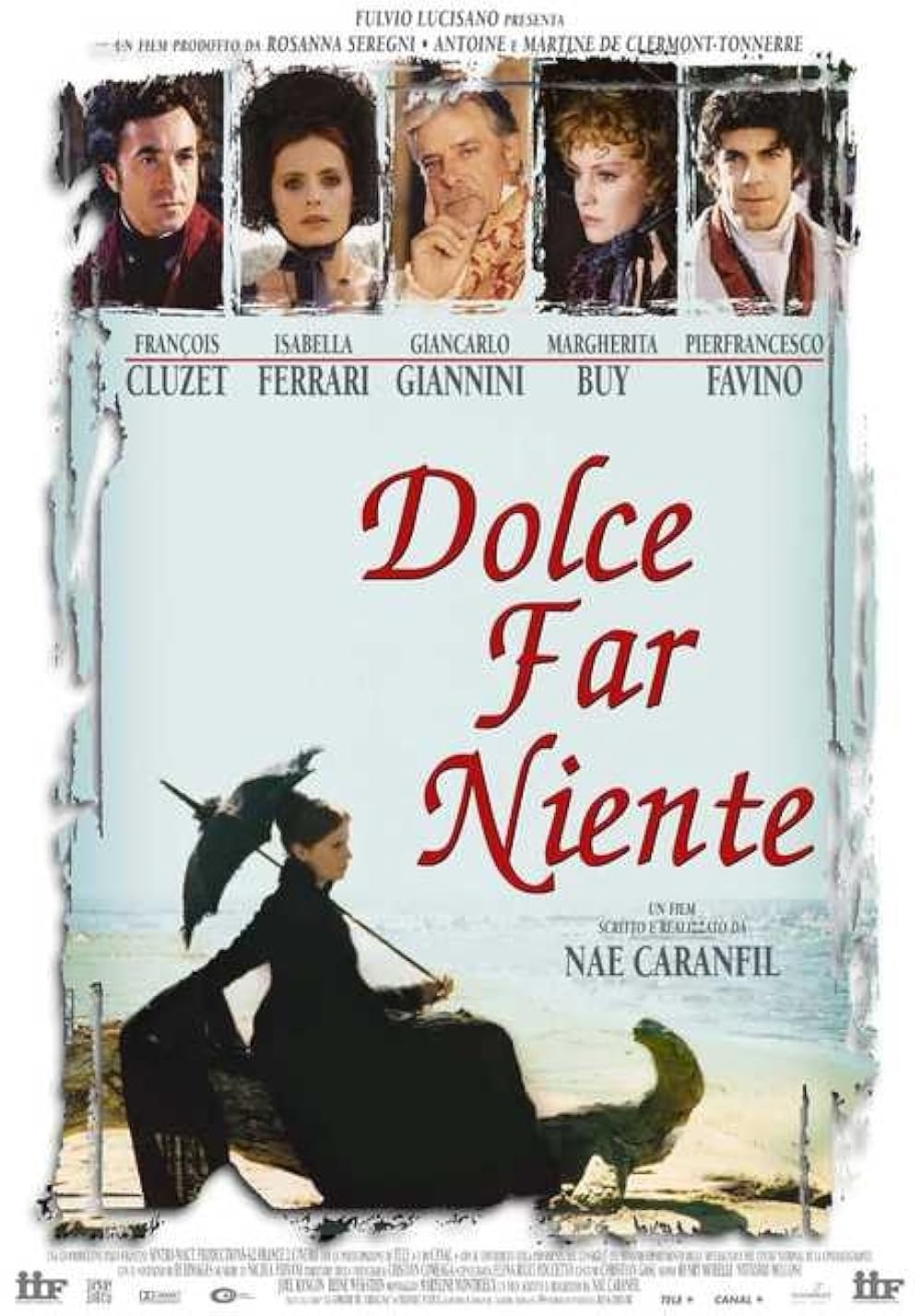
Dolce Far Niente: Italy's Ancient Art of Joyful Idleness
In a world obsessed with productivity, constant connectivity, and the relentless pursuit of achievement, the Italian phrase
“dolce far niente” offers a profound and much-needed counter-narrative. Literally translating to "the sweetness of doing nothing," this isn't merely about idleness or sloth. It's an ancient philosophy, a cherished cultural practice, and an art form dedicated to savouring life's simplest, most beautiful moments without the pressure of purpose. It’s about embracing a happy, carefree state of being, allowing oneself to simply *be*.
For Italians, *dolce far niente* transcends dictionaries defining it as "blissful, carefree idleness." It represents something far deeper: a conscious choice to reclaim time as one's own, to live free from negative thoughts and the relentless grip of stress. It's the gentle surrender to the present, a moment to admire a breathtaking landscape, to gaze upon a masterpiece, or to slowly savour a delightful flavour that awakens the senses, gifting an instant of pure, unadulterated beauty. This isn't just a break from work; it's an active engagement with the art of living well, a concept beautifully explored in the realm of
Film Pigrizia Italiana: Celebrating Leisure in Italian Cinema.
The Ancient Roots of Joyful Idleness
The concept of *dolce far niente* is far from new. Its origins trace back to the Roman Empire, to an era of refined leisure and philosophical contemplation. Imagine sun-drenched Roman villas where, as accounts from figures like Pliny the Younger and the Emperor Tiberius suggest, the phrase
“illud iucundum nihil agere” — that sweet not-doing — was already a celebrated idea. This wasn't about wasting time but about appreciating the inherent value of moments free from obligation, allowing the mind and body to rejuvenate and find peace.
For the Romans, leisure (
otium) was not the opposite of work (
negotium) but a complementary state, essential for intellectual pursuits, personal reflection, and the enjoyment of life's finer aspects. They understood that a life solely dedicated to productive tasks would be incomplete. This historical foundation underscores that *dolce far niente* is not a modern fad but an enduring wisdom, a testament to the human need for periods of restorative stillness. It’s a powerful reminder that true wealth lies not just in what we accumulate or achieve, but in the quality of the moments we allow ourselves to simply experience.
Dolce Far Niente on Screen: Italian Cinema and Beyond
The enchantment of *dolce far niente* has captivated audiences globally, often thanks to its vivid portrayal in cinema. Perhaps one of the most widely recognized examples comes from the film
Eat Pray Love. In its Italian segment, the protagonist, Elizabeth Gilbert (played by Julia Roberts), embarks on a journey of self-discovery, with Italy serving as the stage for "eating" – a metaphor for fully immersing herself in sensory pleasures and the art of joyful idleness. Her experiences in Italy are a direct confrontation with American hustle culture, as she learns to slow down, savour food, appreciate conversations, and simply exist without a predefined agenda. The film beautifully captures the synesthetic joy that comes from truly experiencing *dolce far niente*, showing her indulging in delectable pasta, gelato, and the simple pleasure of an afternoon spent without obligation, truly living the moment.
Beyond Hollywood's lens, the philosophy resonates deeply within Italian cinema itself. Figures like the beloved Neapolitan actor and director Massimo Troisi offer a quintessential example of how *pigrizia* (a gentle, almost philosophical indolence) can be portrayed not as a flaw, but as a source of charm, insight, and deeply human connection. In films like
Ricomincio da tre (I Start from Three), Troisi's characters often move at a different pace, appearing in relaxed attire, frequently in pyjamas, engaging in seemingly simple acts like sharing a coffee with friends under a building. His romantic shyness and observational humour are steeped in a kind of unhurried existence, where introspection and everyday interactions take precedence over dramatic action. This portrayal embodies the essence of
film pigrizia italiana, demonstrating how moments of unforced leisure and genuine connection are often the most profound. It highlights that true richness can be found not in constant activity, but in the quiet spaces between.
More Than Laziness: The Philosophy of Creative Pause
To truly understand *dolce far niente* is to shed any preconceived notions of laziness. Instead, it’s about recognizing the profound value of stillness, solitude, and conscious rest as catalysts for deeper thought, creativity, and a more fulfilling human experience. This idea is eloquently captured by moralist and sociologist Jacques Leclercq in his 1936 treatise,
“Elogio della pigrizia” (Praise of Idleness). Leclercq argued that "solitude, silence, rest are necessary for every birth; if sometimes a thought or a masterpiece springs forth in a flash, it is because it has been preceded by a long incubation of idle wandering." This profound insight suggests that our most brilliant ideas and significant breakthroughs often don't emerge from frantic activity, but from periods of calm contemplation, when the mind is allowed to wander freely.
This philosophical perspective also finds an interesting echo in the life of figures like Nando De Napoli, the legendary footballer known as "Rambo," who played alongside Diego Maradona for Napoli. De Napoli, a tenacious midfielder on the field, famously stated that "The best retirement is watching football from the sofa." This seemingly simple desire beautifully illustrates the contrast between intense, high-stakes performance and the cherished contentment found in simple, personal leisure. It's not about being unproductive always, but about valuing and integrating moments of stillness and enjoyment into life, away from the demands of a public persona or a grueling career. His humble satisfaction in life's simple pleasures, like spending time with childhood friends, resonates with the heart of *dolce far niente* and the broader
Elogio della Pigrizia: The Italian Philosophy of Rest and Creation. It underscores that profound satisfaction can be found in the quiet, unhurried moments that truly belong to us.
Embracing Your Own Dolce Far Niente
Incorporating *dolce far niente* into your own life doesn't require a move to a Roman villa or a grand tour of Italy. It’s an attitude, a mindful practice that can be cultivated anywhere. Here are some actionable tips to begin savouring the sweetness of doing nothing:
- Disconnect Regularly: Schedule periods to put away your phone, close your laptop, and step away from digital distractions. Allow your mind to wander without the constant influx of information.
- Mindful Observation: Take a moment to truly *see* your surroundings. Whether it’s the patterns of leaves on a tree, the colours of a sunset, or the intricate details of a piece of art, engage your senses fully without judgment or agenda.
- Savour Simple Pleasures: Approach meals, a cup of coffee, or a glass of wine not as fuel, but as an experience. Notice the aromas, textures, and flavours. Eat slowly, without rushing.
- Schedule Unstructured Time: Deliberately block out time in your calendar for "nothing." Resist the urge to fill it with chores or appointments. Allow yourself to follow your impulses, whether it’s reading a book, staring out the window, or simply daydreaming.
- Redefine Productivity: Challenge the notion that every moment must be "productive" in a conventional sense. Recognize that rest, reflection, and joy are essential forms of productivity that nourish your well-being and fuel creativity.
- Embrace Slow Movement: Instead of rushing, try a leisurely walk. Pay attention to your breath, the feeling of your feet on the ground, and the sounds around you.
Conclusion
The Italian art of *dolce far niente* is more than just a charming phrase; it's an invitation to reclaim a richer, more human way of life. From its ancient Roman origins to its philosophical celebration in works like Leclercq’s "Praise of Idleness," and its tender portrayals in
film pigrizia italiana, this concept teaches us the profound value of stillness, sensory immersion, and unhurried existence. In a world that constantly pushes us to do more, be more, and achieve more, the wisdom of Italy reminds us that sometimes, the sweetest and most essential thing we can do is simply *be*. By consciously integrating moments of joyful idleness into our daily lives, we not only reduce stress but open ourselves up to deeper creativity, connection, and a more profound appreciation for the beauty that surrounds us. Embrace the sweetness of doing nothing, and discover the richness it brings to your life.